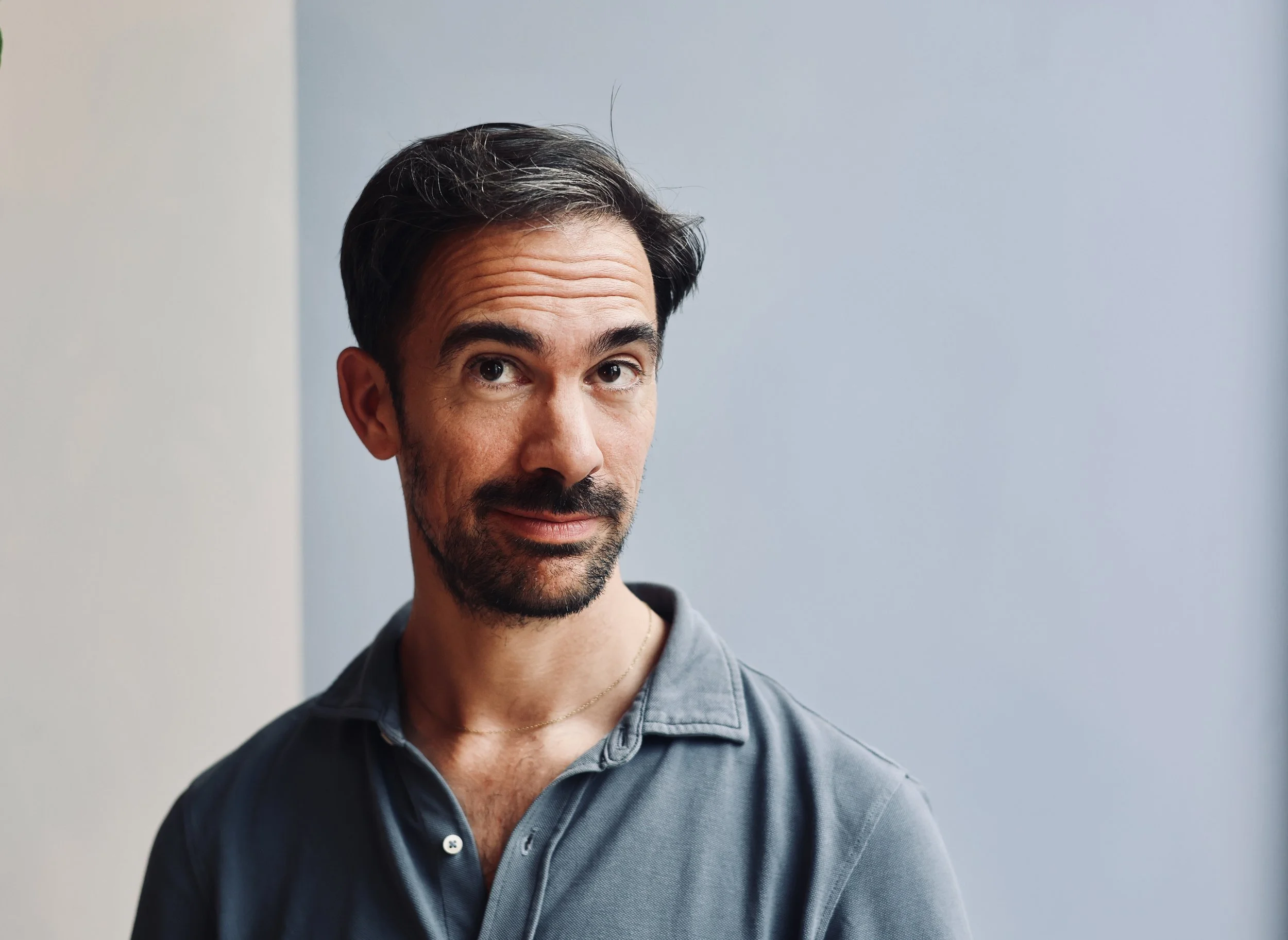
Stephane Kaas (Amsterdam, 1984) is een documentairemaker die altijd op zoek is naar de speelsheid in het verhaal. Ook als het onderwerp moeilijk, complex of taai is. Zoals in Etgar Keret: Based on a True Story, waarin met een mix van documentaire, animatie en fictie wordt onderzocht wat het vertellen van verhalen betekent voor de Israëlische schrijver. De film won onder andere een International Emmy Award en een Prix Italia. In In Real Life I Have a Nose, bespreken cartoonisten online thema’s als depressie, racisme en seksisme door ze te tekenen, met humor als wapen.
Verder (co-)regisseerde hij documentaire-series als Hotline Hongarije (een creatieve geopolitieke serie), Kanaal Sociaal (een ontroerend kijkje in het leven van mantelzorgers), Grote Vragen (8 portretten van Nederlandse wetenschappers), Scrollodex (korte, snelle kunstenaarsportretten) en maakte hij afleveringen voor VPRO Tegenlicht, Ammodo Docs en items voor Klokhuis.
Stephane probeert elke keer verhalen te vertellen die verbinden, verrassen en aan het denken zetten.
——-
(English)
Stephane Kaas (Amsterdam, 1984) is a documentary filmmaker who always seeks the playfulness in a story—even when the subject is difficult, complex, or seemingly dry. Take Etgar Keret: Based on a True Story, for example, where he blends documentary, animation, and fiction to explore what storytelling means to the Israeli writer. The film won an International Emmy Award and the Prix Italia.
In In Real Life I Have a Nose, cartoonists tackle themes like depression, racism, and sexism online—not by avoiding them, but by drawing them, using humor as their weapon.
He also (co-)directed documentary series like Hotline Hungary (a creative geopolitical journey), Kanaal Sociaal (a touching look into the lives of caregivers), Grote Vragen (8 portraits of Dutch scientists), and Scrollodex (short, snappy artist portraits). Additionally, he created episodes for VPRO Tegenlicht, Ammodo Docs, and segments for Klokhuis.
Stephane strives to tell stories that connect, surprise, and provoke thought.